First shoes: barefoot, pre-walkers and what to actually buy

The best shoe for a new walker is no shoe. Once they are outdoors, a small number of things matter and most of what is sold does not.
Barefoot first
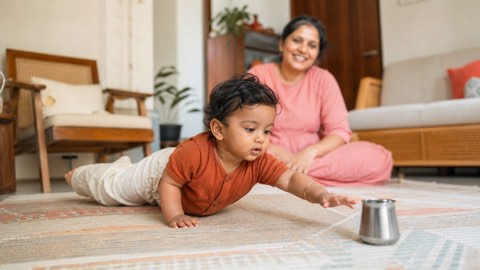
Indoors, bare feet are best while a child is learning to walk. Feet grip better, the toes can spread and grasp, and the sensation from the sole is part of how balance is learned.
Socks on tile or marble are the worst combination, and cause a lot of falls in Indian homes. Either bare feet or, if it is cold, socks with grip soles.
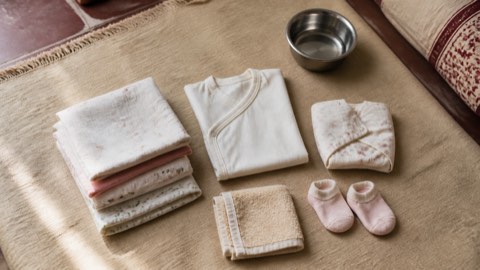
Soft-soled booties are fine for warmth and are not shoes. So-called pre-walker shoes serve the same purpose — warmth and looks — and do nothing for walking.
The foot is still forming. There is no developmental benefit to putting a young child into structured shoes, and there is no evidence that supportive shoes prevent flat feet.
When real shoes are needed, and what to look for
Once a child is walking outdoors regularly, shoes are for protection from ground, heat and injury — not support.
Flexible: the sole should bend easily at the ball of the foot, and the shoe should twist a little. A stiff sole makes a new walker clumsier.
Light. Heavy shoes change how a toddler walks.
Wide at the toes, so toes can spread. Most cheap children's shoes taper, which is the commonest fitting problem.
Flat, with no raised heel, and a fastening — velcro or laces — so the foot does not slide. Slip-ons make children grip with their toes.
Breathable material, which matters in Indian heat, and a sole with some grip for monsoon.
Nothing needed: arch supports, ankle-high 'support' boots, orthopaedic shoes without a prescription, or anything advertised as correcting a normal foot.
Fit, and how often to check
Measure both feet — they are often different — and fit the larger one, standing, at the end of the day when feet are largest.
Allow about a thumb's width of space beyond the longest toe, which is not always the big toe. Any more than that and the child will trip.
Check the width as well as the length. A shoe that is long enough but tight across the foot is the one that causes problems.
Feet grow fast: check the fit every six to eight weeks under two years, and every two to three months up to about four years. Most children outgrow shoes long before they wear them out.
Look for pressure marks, red patches or curled toes after wearing, and check that the child is not taking them off constantly — that is usually information.
Hand-me-down shoes: acceptable if the shoe has not moulded to the previous child's foot and the sole is not worn unevenly. Sandals and wellingtons pass this test more often than trainers do.
Frequently asked questions
Do babies need shoes before walking?
No. Booties for warmth, nothing else.
Are expensive branded shoes better?
Only if they are flexible, light, wide and correctly fitted. Plenty of cheap shoes meet that and plenty of expensive ones do not.
Do hard shoes help a child walk sooner?
No, they slow it down. Bare feet indoors is the fastest route.
What about school shoes for a small child?
Same rules within the uniform requirement: light, flexible, correctly fitted, and fastened rather than slip-on.
Sources
Every clinical figure on this page is taken from the guidelines below. Where our numbers and your doctor's differ, ask which guideline they follow.
- NICE. Fallers — interventions: footwear and flooring (Clinical Knowledge Summary: Falls — risk assessment) (2023)Supports the claim that socks on smooth flooring (tile or marble) increase fall risk and that grip soles reduce this hazard.
- WHO. WHO Child Growth Standards: Motor Development Milestones (2006)Supports the claim that barefoot practice on varied surfaces contributes to balance and motor skill development in early walking.
Reviewed by
- Nakul Phatak — CEO, theAsianparent India & IndonesiaHead of theAsianparent India; father of one
- Roshni Chugani — Head of Marketing, theAsianparent India & Singapore12 years in the mother-and-baby space; mother of two
Published by: theAsianparent editorial team