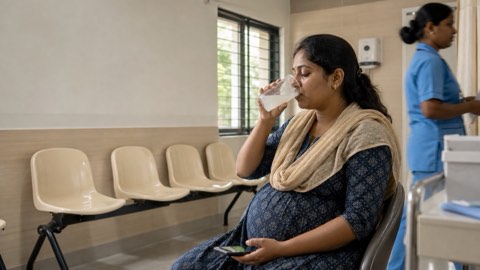
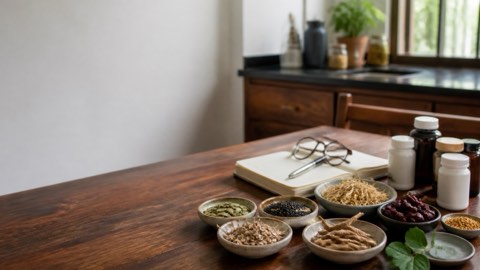
Can you eat karela during pregnancy?

Karela as a vegetable in a normal meal is a different question from karela juice on an empty stomach every morning — and only the second one is a real concern.
As food versus as medicine
Karela cooked as a sabzi, in the quantities anyone actually eats, is generally considered fine in pregnancy and is a decent source of folate, vitamin C and fibre.
Karela juice, concentrated extracts and karela supplements are a different matter. They deliver far higher doses of the active compounds, some of which have been linked in animal studies to uterine stimulation, and they are not recommended in pregnancy.
The seeds and the red pulp around them are traditionally removed, and that is worth continuing.
The blood-sugar question
Karela genuinely lowers blood sugar, which is why it is a fixture of Indian diabetes folk medicine — and that is precisely why concentrated forms need care in pregnancy.
If you are on insulin or diabetes medication for gestational diabetes, adding karela juice can drop blood sugar unpredictably. Tell your doctor about anything you are taking for sugar control, including home remedies.
As part of a meal, in normal amounts, it is not a problem and may be a mildly useful vegetable in a gestational-diabetes diet. Your readings will tell you.
When to see a doctor
Same-day: symptoms of low blood sugar — shaking, sweating, confusion, palpitations — particularly if you are on diabetes medication. Eat something sugary immediately and call your doctor.
Also same-day: bleeding, cramping, severe abdominal pain, or vomiting after any herbal preparation.
And tell your obstetrician about every supplement, juice cure and traditional remedy you are taking. That conversation prevents most of the problems on this page.
This article is general information, not medical advice, and is no substitute for personal medical advice. For any decision about your or your child's health, please consult your doctor.
Frequently asked questions
My family gives karela juice daily for diabetes. Should I continue in pregnancy?
Stop and ask your obstetrician. Concentrated juice is not the same as the vegetable, and gestational diabetes needs monitored management rather than a home remedy.
I have eaten karela sabzi throughout.
That is fine in normal food quantities. There is no reason for alarm.
What about methi, which is also used for sugar?
Methi as food is fine; concentrated seed powders and supplements should be discussed with your doctor, for the same reason.
Are there vegetables I should avoid entirely?
Very few. Raw sprouts and unwashed salad leaves are the real ones, and both are hygiene concerns rather than properties of the vegetable.
Sources
Every clinical figure on this page is taken from the guidelines below. Where our numbers and your doctor's differ, ask which guideline they follow.
- WHO. WHO recommendations on antenatal care for a positive pregnancy experience (2016)Backs the page's framing that gestational diabetes requires monitored clinical management and that unsupervised herbal or traditional remedies are not a substitute for that management.
- ACOG. ACOG Practice Bulletin No. 190: Gestational Diabetes Mellitus (2018)Supports the claim that gestational diabetes requires monitored management and that anything affecting blood glucose — including herbal preparations taken alongside insulin or oral agents — must be discussed with the treating clinician.
- NIH. Bitter Melon — Health Professional Fact Sheet (LiverTox / MedlinePlus dietary supplement record) (2021)Supports the page's distinction between food-quantity karela and concentrated extracts/juices, and the caution about hypoglycaemia risk when karela preparations are combined with diabetes medication.
- NHS. Food safety in pregnancy (2023)Supports the page's note that raw sprouts and unwashed salad leaves are among the few vegetables genuinely cautioned against in pregnancy, on hygiene rather than intrinsic-property grounds.
Reviewed by
- Nakul Phatak — CEO, theAsianparent India & IndonesiaHead of theAsianparent India; father of one
- Roshni Chugani — Head of Marketing, theAsianparent India & Singapore12 years in the mother-and-baby space; mother of two
Published by: theAsianparent editorial team