How to check whether a preschool is actually safe

Preschools in India are lightly regulated, and the things that matter most are the ones nobody volunteers on a tour.
People
Ask directly how staff are vetted: police verification, previous employer references actually contacted, and identity documents on file. Ask about everyone, not just teachers — ayahs, drivers, cleaners and security spend as much time near children.
Ask about turnover. Frequent changes mean children are handled by adults nobody knows well, and it is the strongest single warning sign about how a place is run.
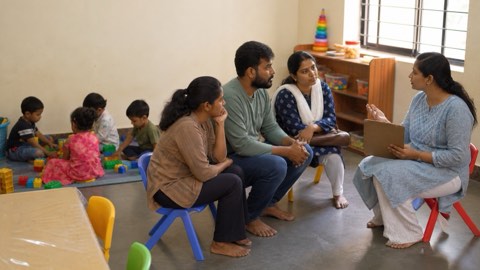
Ask the adult-to-child ratio for your child's group, then go and count. For two- to three-year-olds, one adult to about eight children is a reasonable expectation and many places run far worse.
Ask who is allowed to take a child home, how that list is maintained, and what happens if someone unexpected arrives. A school that has never thought about this is telling you something.
Ask whether any staff are trained in paediatric first aid and choking response, and when they last refreshed it.
Places
Toilets: who takes children, is it ever a single adult alone with a child behind a closed door, and are the toilets visible from a common area? This is the most important physical question in the building and the one parents most often skip.
CCTV: where are the cameras, who can view the footage, how long is it retained, and are there blind spots — particularly toilets, nap rooms and store rooms. Parent access to live feeds is common in India and is worth asking about.
The building: open stairwells, unguarded balconies, water tanks, low windows, sharp furniture corners, exposed sockets, and whether the gate is actually attended. Walk the route a child could take alone.
Kitchen and water: where food is prepared, whether drinking water is filtered, and how allergies are recorded and handled.
Nap and pick-up areas, and where a child waits if a parent is late.
Policies, illness and emergencies
Illness: what temperature or symptoms mean a child is sent home, how quickly parents are called, and whether sick children are separated. A school that keeps feverish children in the classroom until pick-up will pass everything around.
Medication: whether staff administer anything, and under what written authority. Many schools will not, which is safer.
Emergencies: where the nearest hospital is, who takes a child there, whether written parental consent for emergency treatment is on file, and what the fire drill and evacuation plan is. Ask when the last drill happened.
Injury reporting: whether every knock is logged and communicated, or only the visible ones. Ask to see the format.
Complaints: who a parent raises a concern with, and what happened the last time someone did.
Finally, teach your child the basics yourself — that no adult should ask them to keep a secret from you, that they can say no to being touched, and that they should tell you anything that made them uncomfortable. Our body-safety guide covers how to have that conversation at this age.
When to see a doctor
See a doctor promptly for any unexplained injury, and ask the school for a written account of how it happened.
Seek advice for a sudden change in a child that starts with preschool: new fear of a place or person, regression in toilet training, sleep disturbance, withdrawal, or sexualised behaviour beyond ordinary curiosity. These have many causes, most of them benign, and they are worth talking through rather than sitting on.
Same-day medical care for a head injury with vomiting or drowsiness, a suspected fracture, a burn, a bite that breaks skin, or any suspected poisoning. Call 108 if travel is difficult.
This article is general information, not personal medical advice.
This article is general information, not medical advice, and is no substitute for personal medical advice. For any decision about your or your child's health, please consult your doctor.
Frequently asked questions
Are preschools regulated in India?
Lightly, and inconsistently across states. Most playschools are not covered by school regulations at all, which is exactly why these checks fall to parents.
Is CCTV enough?
No. Cameras record what happened; they do not prevent it, and blind spots are common. Staffing, ratios and vetting matter more.
My child cries every morning. Is something wrong?
Usually not. Separation crying is normal for weeks and typically stops within minutes of you leaving — ask the staff to tell you honestly how long it lasts. Distress that is worsening rather than easing after a month deserves a closer look.
Should I do an unannounced visit?
Ask about the policy before admission. A school confident in its own running will allow it; one that refuses any unscheduled visit has told you something useful.
Reviewed by
- Nakul Phatak — CEO, theAsianparent India & IndonesiaHead of theAsianparent India; father of one
- Roshni Chugani — Head of Marketing, theAsianparent India & Singapore12 years in the mother-and-baby space; mother of two
Published by: theAsianparent editorial team