Health insurance with a new baby: what to check and when to add them

The two most expensive events of early parenthood — delivery and a NICU stay — are exactly the two most likely to be excluded if the policy was bought late.
Adding the baby
Most family floater policies allow a newborn to be added, commonly from around 90 days, though some employer group policies allow it from birth. Check your policy's rule while you are still pregnant, not after delivery.
Tell the insurer within the window specified — usually at the next renewal or within a set number of days — and keep the birth certificate and hospital discharge summary ready.
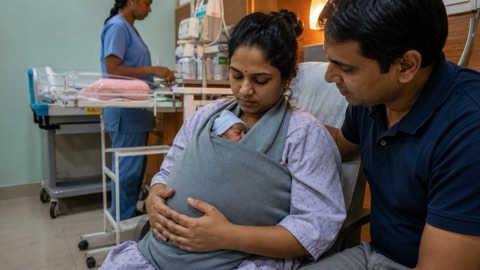
A newborn who needs NICU care in the first days is frequently not covered under the mother's policy unless the policy specifically includes newborn cover. This is the single most expensive gap in Indian family insurance, and it is worth asking about explicitly before delivery.
Maternity cover and its waiting periods
Individual policies with maternity benefit almost always carry a waiting period, commonly two to four years, and cover a capped amount. Buying a policy after conceiving will not cover that delivery.
Employer group policies often cover maternity with no waiting period and are the reason many Indian families' deliveries are covered at all. Check the sub-limit, whether caesarean is covered at a different amount, and whether newborn cover is included.
If you are planning a pregnancy in the next couple of years, this is the argument for buying cover now rather than later.
Ask specifically: what is the maternity sub-limit, is the newborn covered from day one, are pre- and post-natal expenses included, and what is the room-rent limit — because a room-rent cap can proportionately reduce the entire claim.
Choosing a policy
Family floater versus individual: a floater is cheaper and shares one sum insured across the family, which is fine until two people are admitted in the same year. With a young child and grandparents in the same policy, the maths often favours separate cover for the elderly.
Sum insured: think in terms of what a serious admission costs in your city, not what feels affordable. A top-up or super top-up policy adds a large layer cheaply above a threshold and is one of the better-value products available.
Check the network hospitals near you for cashless treatment, the claim settlement record, whether day-care procedures are covered, and the exclusions — congenital conditions, for instance, are commonly excluded, which matters for a newborn.
Ayushman Bharat covers eligible families for hospitalisation at empanelled hospitals; check whether your household qualifies, because many that do have never checked.
Frequently asked questions
My employer covers us. Do I need my own policy?
Yes, ideally. Employer cover ends when the job does, often at the worst possible time, and buying afresh at forty-five with a new medical history is expensive. Keep a personal policy running alongside.
Are vaccinations and routine check-ups covered?
Generally not — health insurance covers hospitalisation, not outpatient care, unless you buy an OPD add-on. Budget for routine paediatric care separately.
Will a caesarean be covered?
Under maternity benefit, usually yes, sometimes at a different sub-limit from a normal delivery. Confirm the amounts in writing before the delivery.
What is the commonest reason claims get rejected?
Non-disclosure of an existing condition at the time of buying, and treatment falling within a waiting period. Disclose everything when you buy, however minor it seems.
Reviewed by
- Nakul Phatak — CEO, theAsianparent India & IndonesiaHead of theAsianparent India; father of one
- Roshni Chugani — Head of Marketing, theAsianparent India & Singapore12 years in the mother-and-baby space; mother of two
Published by: theAsianparent editorial team