Choosing after-school childcare: a parent's checklist

The hours between school ending and a parent getting home are the hardest logistics problem in Indian family life. Here is how to choose the arrangement that fills them.
The options
School-run after-care or day boarding, where available: safest in terms of supervision and transport, usually includes a meal and homework time, and the child does not travel twice.
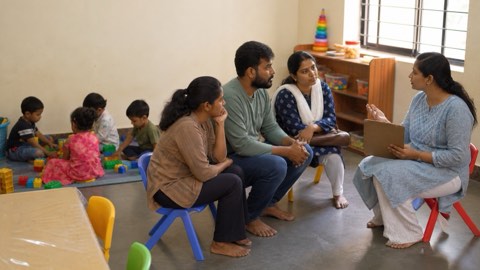
A crèche or day-care near the school or home: check ratios, staff, food and pick-up arrangements. Fees vary widely by city.
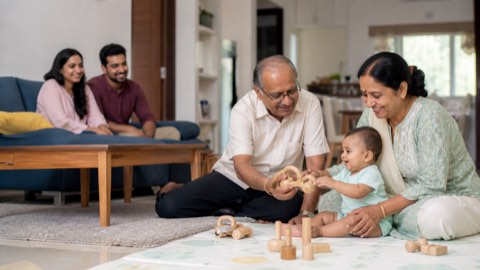
Grandparents: free, loving and reliable where available — with an honest conversation about stamina, and updated safety rules. See our grandparent-care guide.
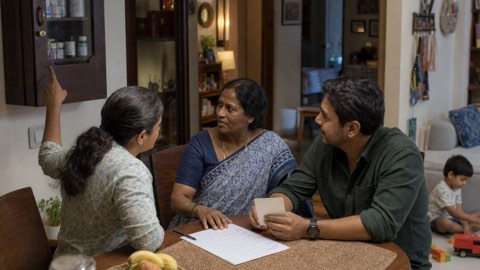
A nanny or ayah at home: convenient and the arrangement needing the most verification. See our guide on hiring domestic help safely.
A neighbour or another family, reciprocally: cheap and workable, and it needs the same explicit agreement about hours, food and rules that a paid arrangement would.
Older sibling supervision or a child home alone: common from around twelve or thirteen in Indian families, and it depends far more on the individual child and the building than on the age.
The checklist
Safety: who is in the building, who can collect the child, is the door supervised, are there cameras in common areas, is there a first-aid box and a plan for an emergency, and is your number the first one called?
Ratios and staff: how many children per adult, how long staff have been there, and are they police-verified? High turnover is the most reliable warning sign there is.
Food: what is served, is it freshly cooked, is drinking water boiled or filtered, and how are allergies handled?
Homework: is it supervised, by whom, and is the expectation reasonable? A tired child forced through two hours of homework at four o'clock is not a good arrangement.
Space and routine: somewhere to rest, somewhere to play outdoors or move, and screens used as a filler or not at all.
Practicalities: hours, late-pickup policy, fees and what is included, holiday cover, and what happens when your child is ill.
Judging it once it starts
Visit unannounced once in the first month. What you see at a scheduled visit and what you see at four o'clock on a Tuesday are different things.
Ask your child specific questions: who did you sit with, what did you eat, who helped you with homework, what happens if you need the toilet.
Watch for: reluctance to go, a change in mood or sleep, coming home hungry, unexplained marks, fear of a particular adult, or a child who has become quiet. Any of those is worth investigating rather than dismissing.
And review it every few months. A place that suited a six-year-old may bore a nine-year-old, and boredom in after-care usually shows up as behaviour at home.
Frequently asked questions
At what age can a child be home alone after school?
There is no legal age in India, and the practical answer depends on the child, the building and the duration. Most families start with short periods around eleven to thirteen, with phone check-ins, a neighbour available and clear rules about doors, the stove and visitors.
Is an older sibling adequate supervision?
Sometimes, and it is a real responsibility to place on a child. A thirteen-year-old minding a six-year-old for an hour is different from doing it daily for three hours, which is a job rather than a favour.
My child does homework at after-care but it is done badly.
Ask what the supervision actually is. Homework done wrong under pressure is worse than homework done later at home with you.
How do I know if my child is unhappy there?
Ask specific questions and watch the pattern rather than one bad day. A child who consistently does not want to go is telling you something worth taking seriously.
Reviewed by
- Nakul Phatak — CEO, theAsianparent India & IndonesiaHead of theAsianparent India; father of one
- Roshni Chugani — Head of Marketing, theAsianparent India & Singapore12 years in the mother-and-baby space; mother of two
Published by: theAsianparent editorial team