Preparing your first child for a second baby

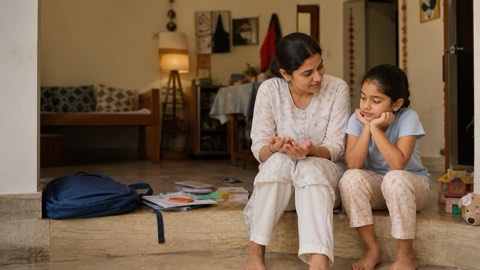
For your first child, a new baby is not a gift — it is a competitor arriving with no notice. Here is how to make the transition kinder, before and after.
When and how to tell them
For a toddler, tell them late — around the time the bump is obvious, perhaps the last two to three months. Nine months is an eternity at two years old, and early telling produces months of confusion. Older children can be told sooner, and should hear it from you before they hear it from a relative.
Keep the language concrete: 'there is a baby growing in mummy's tummy; it will come out when it is big, around your birthday time.' Show them baby photos of themselves, let them feel the kicks, take them to a scan if the clinic allows.
Be honest about what babies are actually like: they cry, they feed constantly, they cannot play for a long time. Children who are promised an instant playmate feel cheated. 'At first he will mostly sleep and cry, and you can help me' sets a truer expectation.
Changes to make before, not after
Any big transitions — moving to a bed, changing rooms, starting playschool, weaning, toilet training — should happen at least two to three months before the birth, or wait until several months after. Doing them in the same fortnight as the baby's arrival guarantees that the baby gets blamed.
Build the other-parent relationship. If the mother has been the default for bedtime, feeding and comfort, shift some of that to the father or grandparent well in advance — the newborn weeks are much harder if only one person will do.
Prepare the practical story: who will look after them during the delivery, where they will sleep, who will bring them to meet the baby. Children handle change well when they know the plan.
Read next

The hospital and the first meeting
Arrange for the first meeting to happen with the baby in the cot rather than in the mother's arms — a mother with free arms to hug the older child changes the whole tone of that moment.
A small gift 'from the baby' works well for toddlers, and so does letting the older child give the baby something. Let them touch, look and lose interest quickly; do not force a photo-worthy scene.
Warn visitors in advance to greet the older child first. The stream of relatives arriving with gifts for the baby and a pat on the head for the three-year-old is exactly what breeds resentment — a small stock of spare gifts by the door solves it.
The first weeks home
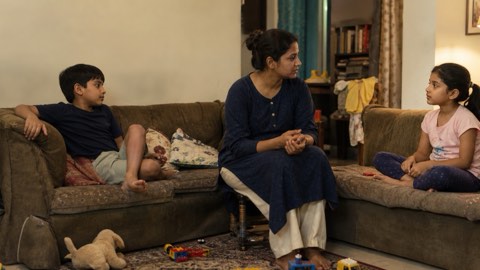
Expect regression: bedwetting, baby talk, wanting a bottle, sudden clinginess, tantrums, refusing to eat, hitting. It is not naughtiness — it is a child asking whether they are still a baby here too. Give a little of what they ask for, warmly and without mocking, and it passes faster.
Protect one-to-one time daily, however short. Fifteen minutes of undivided attention, phone away, doing what they choose, is worth more than an hour of being present-but-busy.
Give them real jobs: fetching the nappy, singing to the baby, choosing the baby's clothes. Being useful is the fastest route from rival to big sibling. Praise the specific behaviour — 'you sang and he stopped crying' — rather than the label 'good big brother'.
Never say 'you are big now' as a way of refusing comfort. A two- or three-year-old is not big; they are a small child who has just been demoted. And do not blame the baby out loud ('we can't go because of the baby') — say 'we will do it after lunch' instead.
Frequently asked questions
My toddler wants to breastfeed again. Should I allow it?
Many children ask, try once, find it strange and stop. Allowing a token attempt often defuses the whole thing. If you would rather not, offer the same closeness a different way — a cuddle with milk in a cup while you feed the baby.
How do I feed the baby without the older one melting down every time?
Make feeding time attractive: a special basket of toys or books that only comes out then, a story read aloud while you feed, or the child sitting beside you for a cuddle. Predictability turns the trigger into a routine.
He says he hates the baby. Should I correct him?
No — accept the feeling and hold the rule: 'you are allowed to feel angry that he is here; you are not allowed to hurt him.' A child whose feelings are denied acts them out instead.
How long does the adjustment take?
Usually a few weeks to a few months for the worst of it, with flare-ups when the baby becomes mobile and starts grabbing toys. That second phase surprises parents who thought it was settled.
Reviewed by
- Nakul Phatak — CEO, theAsianparent India & IndonesiaHead of theAsianparent India; father of one
- Roshni Chugani — Head of Marketing, theAsianparent India & Singapore12 years in the mother-and-baby space; mother of two
Published by: theAsianparent editorial team