
The hospital bag: the complete checklist, and what to leave at home

Pack at thirty-two weeks, park it by the door, and make it smaller than you think. One medium bag, one small one, one papers pouch — here is exactly what goes in each, and the leave-at-home list that keeps it carryable.
The papers pouch — the bag's most important item
One zip pouch, everything official: the MCP card, every scan report and blood test in date order, the hospital registration card, both parents' ID (Aadhaar or equivalent), insurance card and pre-authorisation papers or the scheme documents (JSY beneficiaries: the papers the ASHA worker specified), and a note of blood group and any allergies. Add a printed sheet of phone numbers — doctor, hospital labour room, both escorts — because phones die.
The pouch lives in the bag, the whole house knows it, and it goes along to every hospital trip from week 28 onward, routine or not. At admission, it is the difference between ten minutes and an hour.
Cash deserves a line of its own: a moderate amount in smaller notes for the counters, canteens and autos that don't take UPI at 3 a.m. — plus the UPI phone anyway.
The mother's bag
Clothes: three-four loose, front-opening cotton gowns or kurtas (front-opening is not fashion, it is feeding access), a shawl or light chaddar for ward air-conditioning, comfortable old underwear you can discard, and one loose going-home outfit — the body going home is around six months pregnant in shape, and that is normal.
The postpartum kit: maternity pads (two packets — hospital supplies run thin), disposable or old underwear, a peri bottle if you have one, nursing bras or comfortable soft bras, and breast pads. Toiletries small and simple; add lip balm (labour wards are dry), hair ties, and chappals with grip for the ward floor.
Comfort and labour items: phone plus a LONG charging cable (the socket is never near the bed), snacks for after (labour ends at strange hours, hungry), glasses if you wear contacts, and anything your antenatal class suggested for labour — a hand fan, music and earphones, a small towel. Keep jewellery at home; you'll be asked to remove it anyway.
The baby's bag — smaller than the shopping suggested
The hospital newborn needs remarkably little: one packet of newborn nappies, two-three soft cotton jhablas or wrap shirts, two caps, one pair of mittens, two-three soft old-cotton cloths or muslins (old washed cotton beats new rough weave on newborn skin), one light warm wrap, and the going-home outfit. Everything washed in gentle detergent and sun-dried before packing.
What the baby does NOT need at hospital: the pillow (babies don't use pillows), toys, bottles and formula 'just in case' (if genuinely needed, the hospital provides under guidance — packing it invites its casual use in the very days breastfeeding is being established), baby toiletries (nothing is bathed much in hospital), and the kajal/nazar kit — nothing goes on or in a newborn without the paediatrician's nod.
If a car is part of the picture, the infant car seat is the one bulky item worth arranging — the first ride is a ride. No car: the baby travels in a lap in the back seat, and never on a two-wheeler.
The escort's bag, and the leave-at-home list
Whoever stays needs their own small kit: a change of clothes, phone and charger, snacks and a water bottle, any daily medicines, a thin sheet or shawl (attendant couches are cold), and their own comfortable footwear. The attendant who packs for themselves complains less and helps more.
The famous leave-at-home list: valuables and jewellery, the full make-up kit, six outfit changes, the laptop 'to finish some work' (no one finishes work), heaters and hot-water bags (ask the ward first), and the extended family's opinions on bag contents. One medium bag plus one small bag plus the pouch — if it doesn't fit, it doesn't come.
Final logistics riding with the bag: know the hospital's night entrance, keep the vehicle fuelled or the auto number saved, and keep 108 in every phone. The bag is packed by thirty-two weeks, checked once at thirty-six, and then left alone — helpful relatives who 'reorganise' it are how chargers vanish.
Frequently asked questions
Q: How much cash, exactly? — Enough for a day of counters and canteens in small notes — a few thousand rupees covers most government and mid-range private situations — plus UPI. Large amounts invite loss and are never needed at admission; deposits and packages are card-and-transfer territory.
Q: Do I need to pack differently for a planned caesarean? — Mostly no — add a couple of extra nights' supplies (the stay is longer), high-waisted underwear that clears the incision line, and slip-on footwear (bending is off the menu for a few days). The rest of the list stands.
Q: The hospital says they provide 'everything' — can I skip the bag? — Take the offer as partly true: good private hospitals do supply pads, baby nappies and gowns. The pouch, phone chargers, going-home clothes, feeding bras and YOUR comfort items are never supplied. Pack the bag anyway; use theirs first and yours as backup.
Q: When do we actually grab the bag and go? — Per your doctor's threshold — the common first-baby rule is contractions 5 minutes apart, 1 minute long, for 1 hour; immediately for waters breaking or bleeding, pattern or not. The bag's whole purpose is that this moment involves lifting it, not packing it.
Reviewed by
- Nakul Phatak — CEO, theAsianparent India & IndonesiaHead of theAsianparent India; father of one
- Roshni Chugani — Head of Marketing, theAsianparent India & Singapore12 years in the mother-and-baby space; mother of two
Published by: theAsianparent editorial team
Related articles
 The first forty days: recovery, confinement customs and what really matters
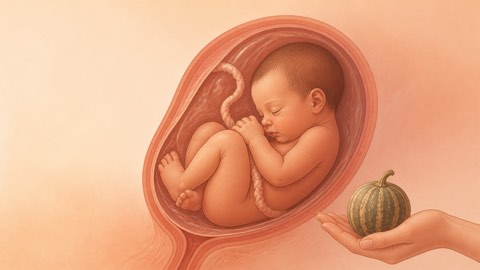 Pregnancy week 32: practice breathing, real bag-packing
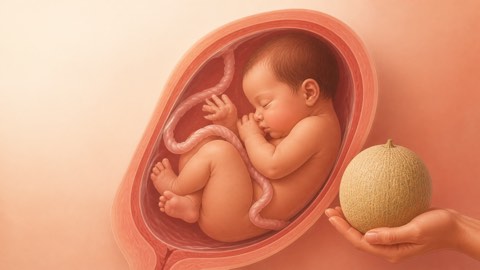 Pregnancy week 35: two kilos and a half, and counting
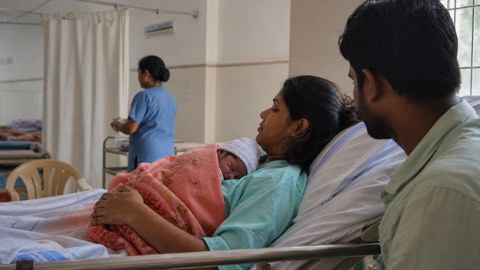 The first hour after birth: skin-to-skin, the first feed, and what to ask for
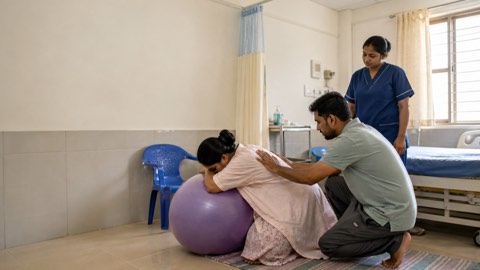 The stages of labour, explained plainly
 Where to deliver: choosing between a government and a private hospital