Bottles, teats and sterilising: what to buy and how to clean it properly

The bottle matters less than the cleaning. Here is what to buy, and the routine that actually keeps it safe in an Indian kitchen.
What to buy
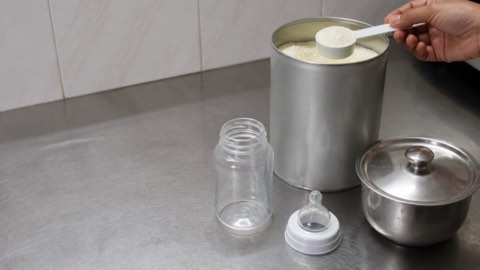
How many: two or three if you are mostly breastfeeding and using occasional bottles; five or six if formula feeding or pumping daily, so you are not washing bottles at 3 a.m.
Glass: no chemical questions, easy to clean, sterilises well, heavier and breakable. Good for home use and for a baby who is fed by adults.
Plastic: light and unbreakable — check it is BPA-free, replace when scratched or cloudy, and never microwave it. Scratched plastic harbours bacteria and is the reason bottles need replacing every few months.
Teats: start with the slowest flow and move up only when the baby is visibly working hard or the feed takes very long. A too-fast teat causes gulping, spluttering and gas, and is a common cause of a baby who seems to hate bottles. Replace teats when they discolour, swell or thin.
Skip: bottle warmers (a jug of warm water works), anti-colic systems sold as cures, and gadget-heavy bottles with many parts, since every extra part is another thing to clean.
Cleaning and sterilising
Clean first, sterilise second — sterilising a bottle with milk residue in it achieves nothing. Rinse immediately after a feed, then wash with hot soapy water and a bottle brush, turning the teat inside out.
Then sterilise, for the first year: boiling is free and effective — submerge fully for five to ten minutes, ensuring no air pockets. Steam sterilisers and microwave steam bags do the same job faster. Cold-water sterilising tablets are useful for travel.
After sterilising, either use immediately or store assembled and covered in a clean dry place. Do not leave parts to air-dry on a kitchen cloth, which is one of the dirtiest surfaces in the house.
Wash your hands before assembling, and never test the milk temperature by putting the teat in your own mouth — adult mouth bacteria are the main source of a baby's tooth decay later.
Read next
Feeding with a bottle
Hold the baby semi-upright and keep the bottle horizontal enough that the teat is full of milk but the baby controls the pace — this is paced feeding, and it prevents the overfeeding that bottles make easy.
Never prop a bottle and leave a baby feeding alone: it is a choking and ear-infection risk, and it removes the pauses a baby needs.
Never put a baby to bed with a bottle. Milk pooling around the teeth overnight is the leading cause of early childhood tooth decay in India.
Discard what the baby leaves within an hour — saliva has entered the bottle and bacteria grow fast in Indian temperatures.
When to see a doctor
Same-day: a baby refusing all feeds, vomiting forcefully after most feeds or vomiting green material, fewer than six wet nappies a day after the first week, blood in the stool, or any fever in a baby under three months.
Also worth a visit: repeated spluttering, coughing or blue spells during feeds, which can mean the flow is too fast or, occasionally, a swallowing problem worth assessing.
This article is general information, not medical advice, and is no substitute for personal medical advice. For any decision about your or your child's health, please consult your doctor.
Frequently asked questions
How long do I need to sterilise for?
Most guidance says the first twelve months. After that, thorough washing in hot soapy water is generally enough, though many families continue sterilising while bottles are in use.
Can I use tap water to rinse after sterilising?
No — that puts the bacteria straight back. Use the bottles as they are once sterilised.
My breastfed baby refuses a bottle.
Have someone else offer it, when the baby is calm rather than starving, with milk at body temperature, and try different teat shapes. Starting occasional bottles between four and six weeks makes this far easier later.
Which bottle is best for colic?
No bottle cures colic, whatever the packaging says. Paced feeding, a good burp and an upright hold do more than any vent system.
Reviewed by
- Nakul Phatak — CEO, theAsianparent India & IndonesiaHead of theAsianparent India; father of one
- Roshni Chugani — Head of Marketing, theAsianparent India & Singapore12 years in the mother-and-baby space; mother of two
Published by: theAsianparent editorial team