Baby only wants fruit: building a balanced plate

Every baby prefers sweet, because breastmilk is sweet. A fruit-only diet is a normal preference taken to an extreme, and it is missing the two things Indian toddlers most often lack.
What a fruit-heavy diet misses
Iron. This is the important one. Fruit contains almost none, and iron deficiency is extremely common in Indian toddlers — it affects growth, energy, mood and learning, and it develops quietly.
Protein and fat. Both are needed in quantity at this age, and a baby's brain in particular needs fat. Fruit provides neither.
Calories. Fruit is bulky and filling relative to its energy, so a child can be full and undernourished at the same time.
Zinc, calcium and B12, particularly in a vegetarian household.
Too much fruit juice or too much fruit also causes loose stools and sometimes toddler diarrhoea, and the sweetness sustains the preference.
How to widen it without a fight
Serve fruit at the end, not the beginning, and not as a reward for eating something else. Making one food the prize makes every other food the price.
Cap it. Two or three portions a day, at set times, with the rest of the day offering other things. A child grazing on fruit is never hungry enough to try dal.
Pair the new with the familiar: one small piece of something new alongside foods they accept, with no comment either way. It can take ten or more exposures before a child accepts a new food, and most families give up at three.
Do not become a short-order cook. One family meal, with at least one component the child usually accepts, is the approach with the best evidence behind it.
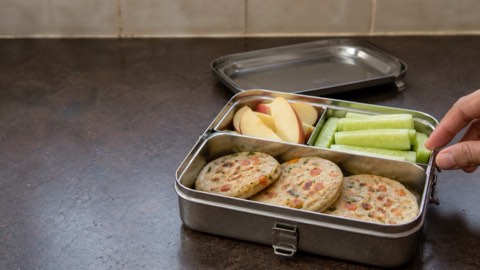
Use their preference rather than fighting it: fruit in a paratha, banana in an idli batter, sweet potato and apple together, mango with curd. Bridging works better than confrontation.
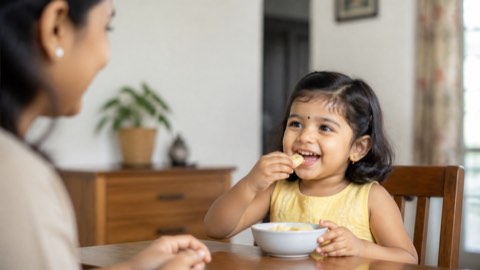
Let them serve themselves from a bowl. Control is most of what these standoffs are about.
And drop the pressure entirely — no bargaining, no aeroplane spoons, no screens, no 'two more bites'. Pressure at meals is consistently associated with worse eating, not better.


What to prioritise instead
Iron: dal and rajma, ragi, eggs, chicken and fish where the family eats them, green leafy vegetables, jaggery, sesame, dates and raisins. Serve iron foods with something rich in vitamin C — lemon over dal, amla, guava, orange — which markedly improves absorption.
Do not give milk with iron-rich meals, and cap total milk at around 300 to 500 ml a day after one year. Excess milk is the leading dietary cause of iron deficiency in this age group.
Protein and fat: dal, curd, paneer, eggs, nut butters thinly spread, and ghee added to food, which is calorie-dense and culturally easy.
Ask your paediatrician about iron and vitamin D supplementation rather than assuming diet is covering it. Indian paediatric guidance recommends supplementation for many infants and toddlers.
When to see a doctor
See a paediatrician if: weight gain has slowed or stopped, the child is pale, tired, irritable or breathless on exertion, or the accepted food list is under about ten items.
Ask specifically for a haemoglobin check. Iron deficiency in toddlers is common, easy to test for, and frequently missed until it is significant.
Also for: a child who gags or vomits with textures, is losing weight, has chronic loose stools, or has stopped eating foods they previously accepted.
This article is general information, not medical advice, and is no substitute for personal medical advice.
Frequently asked questions
Can a child live on fruit for a while?
For a short phase, yes, without lasting harm. The risk is iron deficiency over months, which is why the haemoglobin check matters.
Should I hide vegetables in food?
Hiding is a reasonable short-term tactic for nutrition and does not teach acceptance. Do both: hidden for intake, visible and unpressured for learning.
Is fruit juice a good substitute?
No. Juice removes the fibre, concentrates the sugar and damages teeth. Whole fruit and water are better.
How long does a fussy phase last?
Neophobia peaks around two to three years and typically eases by four or five. Repeated calm exposure shortens it; pressure lengthens it.
Sources
Every clinical figure on this page is taken from the guidelines below. Where our numbers and your doctor's differ, ask which guideline they follow.
- WHO. Guideline: Use of multiple micronutrient powders for point-of-use fortification of foods consumed by infants and young children aged 6–23 months and children aged 2–12 years (2016)Backs the claim that iron deficiency is extremely common in young children, affects growth, energy and development, and frequently develops without obvious signs.
- IAP. IAP Guidelines on Prevention of Nutritional Anemias (2018)Backs the claims that iron deficiency is the leading micronutrient problem in Indian toddlers, that milk intake should be capped to prevent iron deficiency, and that Indian paediatric guidance recommends iron supplementation for infants and toddlers.
- NICE. Faltering growth: recognition and management (NG75) (2017)Backs the advice to see a paediatrician if weight gain has slowed or stopped, and supports the structured family-meal approach and avoidance of pressure at mealtimes as evidence-based strategies for improving intake in young children.
Reviewed by
- Nakul Phatak — CEO, theAsianparent India & IndonesiaHead of theAsianparent India; father of one
- Roshni Chugani — Head of Marketing, theAsianparent India & Singapore12 years in the mother-and-baby space; mother of two
Published by: theAsianparent editorial team