How to help your child make friends at school

Making friends is a set of skills rather than a personality trait — and every one of them can be taught to a child who is struggling.
Work out what is actually happening
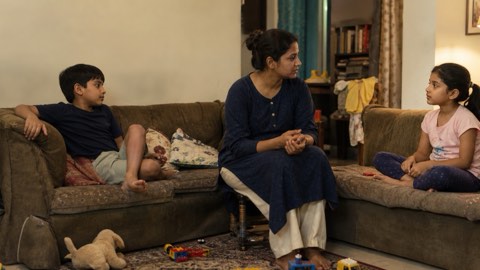
There is a difference between a child who has one friend and is content, a child who wants friends and cannot get them, and a child who is being actively excluded. They need completely different responses, and the first needs none at all.
Ask specific questions rather than 'do you have friends': who did you sit with, who did you play with at break, who did you talk to on the bus. Vague questions get vague answers.
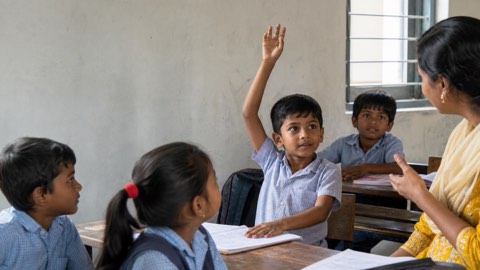
Then ask the class teacher, who sees the social map you cannot. Teachers usually know within a week which children are isolated and why.
The skills that can be taught
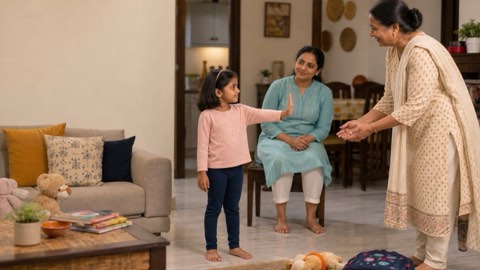
Joining a game already in progress. This is the hardest one and the most teachable: watch for a moment, stand nearby, then ask 'can I play?' — or better, join in the activity rather than asking permission. Practise it at home with role-play, seriously and with laughing.
Starting a conversation: asking a question about the other person rather than announcing something about themselves. 'Which team do you support?' works far better at eight than 'I have a new cycle.'
Taking turns and losing gracefully. A child who cannot lose is a child other children stop inviting. Practise at home with board games where you sometimes win, and model losing well.
Reading the room: noticing when a joke has stopped being funny, when someone wants to stop, when the group has moved on. Some children need this named explicitly rather than absorbed.
Repairing after a fight: saying sorry properly, and coming back the next day as though it is finished — which children do far better than adults.
Playdates, done properly
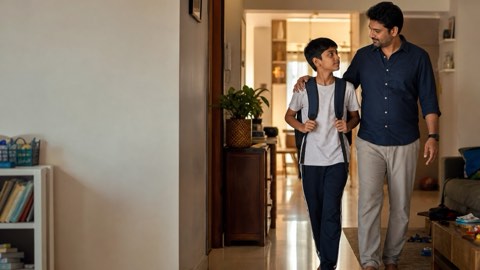
One child at a time, not three. In a group of three, two pair up and one is left out, which is the exact problem you are trying to solve.
Keep it short — ninety minutes — and end it while it is still going well. A playdate that runs until everyone is tired ends badly and is remembered that way.
Have a structure: an activity ready for the first ten minutes, a snack in the middle, and free play in between. Unstructured from minute one is hard for children who find this difficult.
Put away the toys your child cannot bear to share, before the guest arrives. And stay nearby without hovering — close enough to redirect, far enough not to run it.
Choose the friend deliberately at first: a child with similar interests, or a quieter one, rather than the most popular child in the class.
What not to do, and when to get help
Do not tell a child they are shy in front of them — it becomes an identity and an excuse. Say 'she takes a while to warm up' instead, and only if you have to say anything.
Do not phone the other child's parents to arrange friendship, criticise the other children, or push your child into a group that has rejected them. All three make it worse.
Do not solve it by buying popularity — the expensive party, the gifts, the phone. It buys attendance rather than friendship.
Seek help if: your child has no friends at all across settings over months, is consistently excluded or bullied, finds social situations genuinely distressing, does not read social cues in an obvious way, or has become withdrawn and low. A school counsellor, a paediatrician or a child psychologist can help, and some of these point to something worth assessing.
Frequently asked questions
He says nobody likes him.
Ask who he sat with and played with today. 'Nobody' is usually a feeling; if it turns out to be accurate over weeks, involve the teacher.
She has one friend and no interest in more.
That is enough. One good friendship is protective; the number is not the measure.
We are new in the city and he knows no one.
Invite one classmate home in the first fortnight, join one activity outside school, and give it a term. New-school isolation usually resolves; if it does not by three months, talk to the school.
Should I tell him to hit back if the others are rough?
No. It escalates and usually punishes the child who retaliates. Teach the words, involve the school, and see our bullying guide if it is repeated and deliberate.
Reviewed by
- Nakul Phatak — CEO, theAsianparent India & IndonesiaHead of theAsianparent India; father of one
- Roshni Chugani — Head of Marketing, theAsianparent India & Singapore12 years in the mother-and-baby space; mother of two
Published by: theAsianparent editorial team