What to do when your child is the one bullying

Somebody's child is doing it. The response that actually changes things starts with believing the report.
Start by believing it
The instinct is denial — my child would never, the other child provoked it, the school is exaggerating. Sometimes there is more to the story, and starting from disbelief guarantees you learn nothing.
Ask for specifics: what happened, when, how often, who saw it, and what has been done. Then talk to your child calmly, without an audience, and listen to the whole thing including the parts that make them look bad.
Do not confront the other family or the other child. That escalates and it protects nobody.
Why children bully
Status and group belonging — the commonest reason, particularly in the nine to fourteen range, where cruelty buys position.
Copying: a child who is hit, shouted at or humiliated at home does it to someone smaller. This is uncomfortable and it is the first place to look honestly.
Being bullied themselves, elsewhere or by an older sibling.
Difficulty reading social cues, poor impulse control, or an underlying difficulty — which is why persistent aggression deserves assessment rather than only punishment.
And sometimes, simply that it worked and nobody stopped it. Behaviour that produces status and no consequence continues.
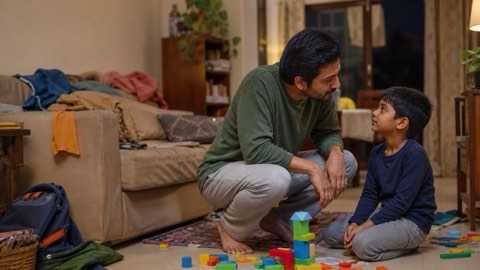
What to do
Be clear and unambiguous that it stops, and say what specifically was wrong — not 'you were naughty' but 'you called him that in front of the class, and it humiliated him'.
Set a proportionate consequence connected to the behaviour: loss of the phone if it was online, loss of the group activity where it happened. Avoid the punishment being the whole intervention — it does not teach a replacement.
Focus on repair: what would help the other child, and doing it. An apology is worth little without a change; a change with an apology is worth a great deal.
Build empathy deliberately: ask how the other child felt, what it would be like to walk into school knowing it would happen again. Role-play works better than lecturing.
Work with the school on a plan, with a review date. Supervision at the specific times and places matters more than any conversation.
And examine the household honestly: how do adults speak to each other and to staff, is there shouting or hitting, what is being modelled about power. That is often where the change has to start.
When to see a doctor
Seek professional help if: the behaviour is repeated despite consequences, involves physical harm or cruelty to animals, is planned rather than impulsive, comes with a marked change in mood, or if your child seems unable to feel or express empathy.
Also if your child is being bullied or hurt themselves, at school or at home, which is frequently underneath aggression toward others.
A school counsellor, paediatrician or child psychologist is the route. Tele-MANAS on 14416 is free and answers parents too, and Childline is 1098.
This article is general information, not medical advice, and is no substitute for personal medical advice. For any decision about your or your child's health, please consult your doctor.
Frequently asked questions
The other child started it.
That may be true and it does not settle the question. Deal with your child's part of it, and let the school deal with the rest.
It was just teasing.
The test is not intent but pattern and effect: repeated, targeted, and with a power difference. If the other child is distressed and it keeps happening, it is bullying regardless of how it was meant.
Should I make him apologise in person?
Only if it is genuine and the other child wants it. A forced public apology often humiliates both children and teaches performance.
Will this follow him?
Not if it is addressed properly now. Children change, and the ones who do are almost always the ones whose parents took the report seriously rather than fighting it.
Reviewed by
- Nakul Phatak — CEO, theAsianparent India & IndonesiaHead of theAsianparent India; father of one
- Roshni Chugani — Head of Marketing, theAsianparent India & Singapore12 years in the mother-and-baby space; mother of two
Published by: theAsianparent editorial team