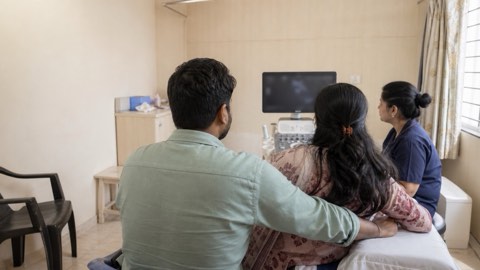
Low-lying placenta and placenta previa: what it means

A low-lying placenta at the anomaly scan is a common finding and usually resolves. Here is what it means, and the bleeding rule that matters throughout.
What the scan is describing
The placenta implants wherever the embryo settles. If it is near or over the cervix — the exit — the scan calls it low-lying, and if it covers the cervix it is placenta previa.
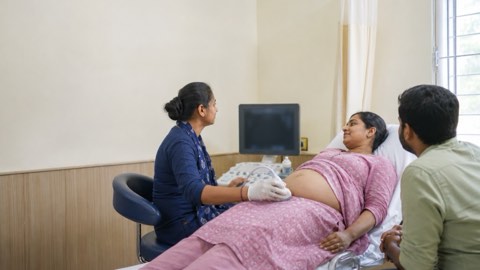
At the 18-22 week anomaly scan this is common, and most of these placentas end up well clear of the cervix by the third trimester. The uterus grows upward and the placenta effectively moves with it — the medical term is migration, though nothing actually detaches and travels.
So a low-lying placenta at 20 weeks is usually a note to recheck rather than a diagnosis. The recheck is typically around 32 weeks, and again later if needed.
If it persists
Placenta previa at term means a vaginal delivery is not safe, because the placenta is between the baby and the exit. Delivery is by planned caesarean, usually before labour begins, and the timing is decided by your obstetrician.
The main risk before then is bleeding — typically painless, bright red, and sometimes sudden and heavy. Any bleeding with a known low placenta is an emergency, every time, without waiting to see whether it settles.
Your doctor may advise avoiding sex, avoiding internal examinations, limiting heavy lifting and strenuous exercise, and staying within reach of the hospital. Follow the specific advice for your case rather than general rules.
A related and rarer condition, placenta accreta, where the placenta grows too deeply into the uterine wall, is more likely with previa plus previous caesareans — which is one reason your history matters and gets asked about.
Living with the diagnosis
Keep the papers pouch ready from 28 weeks, know your blood group, and know the fastest route to the hospital at any hour. Save 108.
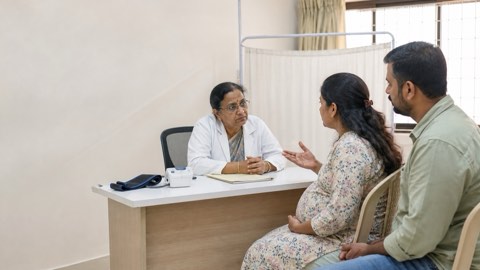
Ask directly: what restrictions apply to me specifically, when is the next scan, at what point will delivery be planned, and what should make me come in immediately?
Treat anaemia aggressively, because bleeding is more dangerous in a woman who starts low. Iron, diet, and haemoglobin checks as advised.
And deliver where there is a blood bank, an operating theatre and newborn care available round the clock. That is the single most important practical decision.
When to see a doctor
Go to hospital immediately at any stage for: heavy bleeding, severe or constant abdominal pain, a gush or steady trickle of fluid, severe headache with visual changes, sudden swelling of the face and hands, high fever, fainting, or reduced fetal movements after 28 weeks. Call 108 if you cannot travel quickly.
With a known low-lying placenta or previa: any bleeding at all, however light, means going to hospital immediately rather than calling and waiting. Also go for contractions or regular tightening, a gush of fluid, severe pain, or reduced fetal movements.
This article is general information, not medical advice, and is no substitute for personal medical advice. For any decision about your or your child's health, please consult your doctor.
Frequently asked questions
My 20-week scan says low-lying. How worried should I be?
At 20 weeks, most resolve. Keep the recheck appointment, follow any restrictions given, and treat bleeding as an emergency in the meantime.
Can I still have a normal delivery?
If the placenta moves clear by the third trimester, yes. If it covers or is very close to the cervix at term, a planned caesarean is the safe route.
Is it caused by something I did?
No. Placental position is not caused by activity, travel or diet. Previous caesareans, previous uterine surgery, twins and older maternal age raise the chance.
Should I be on bed rest?
Only if your own obstetrician advises it. Strict bed rest is not routinely recommended and carries its own risks; specific restrictions are individual.
Sources
Every clinical figure on this page is taken from the guidelines below. Where our numbers and your doctor's differ, ask which guideline they follow.
- RCOG. Placenta Praevia and Placenta Accreta: Diagnosis and Management (Green-top Guideline No. 27a) (2018)Backs the claims that most low-lying placentas at 20 weeks resolve by the third trimester (placental migration), that placenta previa at term requires planned caesarean, that painless bright-red bleeding is the cardinal risk, that placenta accreta is more likely with previa plus prior caesareans, and that rescan around 32 weeks is appropriate.
- NICE. Intrapartum Care for Women with Existing Medical Conditions or Obstetric Complications and Their Babies (NG121) (2019)Supports the recommendation for planned caesarean delivery for placenta previa at term and the guidance that delivery should occur in a unit with full surgical and blood-bank facilities available around the clock.
- ACOG. Obstetric Care Consensus No. 7: Placenta Accreta Spectrum (2018)Supports the claim that placenta accreta spectrum is more common when placenta previa coexists with previous uterine surgery or caesarean deliveries, and that delivery should be at a centre with blood bank and surgical capability.
- WHO. WHO Recommendations for Prevention and Treatment of Maternal Peripartum Infections (2015)Supports the advice to treat anaemia aggressively prior to anticipated haemorrhage risk, as anaemia worsens outcomes in obstetric bleeding emergencies.
Reviewed by
- Nakul Phatak — CEO, theAsianparent India & IndonesiaHead of theAsianparent India; father of one
- Roshni Chugani — Head of Marketing, theAsianparent India & Singapore12 years in the mother-and-baby space; mother of two
Published by: theAsianparent editorial team