Separation anxiety at preschool: a plan for the first weeks

Crying at the gate is normal and it is also miserable. Here is a plan for the first four weeks, and the point at which it stops being ordinary settling.
Before the first day
Visit the school two or three times with your child — the gate, the classroom, the toilet, the playground. Familiarity does most of the work.
Talk about it warmly and matter-of-factly for a week or two beforehand, not months. Play at going to school at home, read books about it, and name the teacher.
Practise short separations: leave them with a grandparent or neighbour for an hour, say goodbye properly, and come back when you said. That reliability is what builds the confidence to be left.
Sort the practical things: they can open their bottle and box, they know the word for toilet, and they know who is collecting them.
The four-week plan
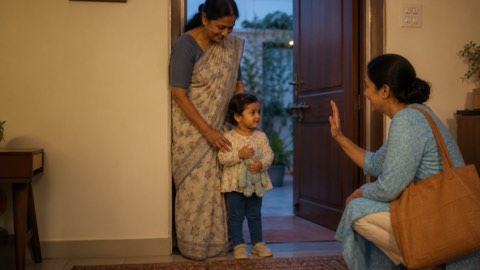
Week one: phased hours if the school allows — an hour, then two, then half a day. Same person doing drop-off each day. A goodbye ritual of three or four seconds: a hug, a phrase, a wave at the window, and go.
Week two: full session if they are managing. Expect crying at the gate that stops within minutes; ask the teacher to message you fifteen minutes in rather than standing outside imagining.
Week three: most children have settled. Expect tiredness, clinginess at home and a cold or two — all normal and not signs of a problem.
Week four: if drop-off is still distressing but the day is fine, keep going as you are. If the whole day is distressing, that is the point to sit down with the teacher and look at what specifically is hard.
Throughout: never sneak away, never extend the goodbye, and always be on time at pick-up. Those three do more than anything else.

Working with the teacher
Ask for one named adult to receive your child at the gate each morning — a handover to a person rather than into a room.
Tell them what helps: a favourite activity to start with, a comfort object if allowed, the words your child uses for toilet and water.
Ask what happens after you leave, specifically. 'She was fine in two minutes' is the most useful sentence in the first fortnight, and most schools will send it if asked.
And ask them not to make a public fuss of the crying child, which prolongs it.
When it is more than settling
Talk to the school and consider professional advice if, after four to six weeks: your child is distressed all day rather than at drop-off, is not eating or drinking at school, refuses to speak at all there while speaking freely at home, has stomach aches or vomiting every school morning, or has regressed markedly at home — bedwetting, sleep problems, new fears.
Also look at whether something specific is wrong: a frightening adult, a toilet they cannot use, being bullied, a language they do not follow, or hunger. Ask the child specific questions rather than 'do you like school'.
And be willing to conclude that this school, or this year, is not right. Delaying preschool by six months is a legitimate decision and costs a three-year-old nothing academically.
Frequently asked questions
She cries when I leave and the teacher says she is fine two minutes later.
Then it is a transition difficulty rather than distress about school. Keep the goodbye short and consistent; it usually resolves in two to three weeks.
Should I stay in the classroom until she settles?
For the first days if the school allows, then reduce deliberately. Staying long-term prolongs it, because the separation still has to happen and it happens later each day.
He was fine for a month and has suddenly started crying.
Look for a change: a new teacher, a friendship, an incident, an illness, or something at home. Sudden change after settling usually has a specific cause.
Everyone says I should just leave him and he will get used to it.
Leaving is right; sneaking is not, and neither is a long distressed abandonment. A short goodbye, a familiar adult and a reliable return is the version that works.
Reviewed by
- Nakul Phatak — CEO, theAsianparent India & IndonesiaHead of theAsianparent India; father of one
- Roshni Chugani — Head of Marketing, theAsianparent India & Singapore12 years in the mother-and-baby space; mother of two
Published by: theAsianparent editorial team