Raising a vegetarian child: protein, B12, iron and the gaps to watch

Millions of Indian children grow up strong on vegetarian food. It works — provided four specific nutrients are deliberately planned rather than assumed.
Protein: easier than the internet suggests
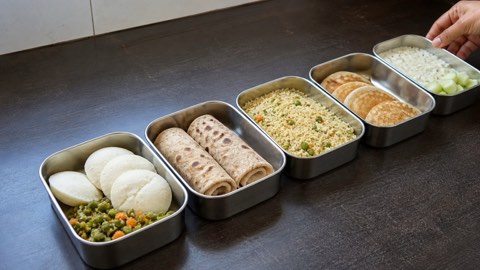
The Indian vegetarian plate covers protein well when it is deliberate: dals and legumes (moong, masoor, chana, rajma, lobia), paneer and curd and milk, soya chunks and tofu, peanuts and nuts, til and seeds, sprouts, and the classic dal-rice or roti-dal combination which together provide complete protein.
The mistake is quantity, not quality — one thin dal per day is not enough. Aim for a protein item at every meal: sprouts or besan chilla at breakfast, dal at lunch, paneer or curd at dinner, roasted chana or peanuts as a snack.
Growing children need more per kilo than adults, and teenagers most of all. If a vegetarian child is falling behind on growth, the first thing to audit is protein frequency across the day.
Vitamin B12: the real gap
B12 comes almost entirely from animal foods. Indian vegetarians — especially those eating little dairy — have high rates of deficiency, and it is one of the most commonly missed diagnoses in Indian children and teenagers.
Deficiency looks like tiredness, pallor, poor appetite, irritability, poor concentration and, in infants, delayed development. In a lacto-vegetarian family, adequate milk, curd and paneer help, but many children still fall short.
Get it tested if there is any suspicion, and follow the doctor's supplement plan — B12 supplementation is cheap, safe and effective. Fortified foods help too. For a fully vegan child, B12 supplementation is not optional, it is compulsory, and needs a paediatrician's supervision.
Iron, zinc, calcium, omega-3
Iron from plants absorbs poorly, so pair it with vitamin C: lemon on dal, tomato in the sabzi, amla or guava after meals. Ragi, bajra, dals, greens, gud and til are the workhorses. Keep chai away from meals — it blocks absorption badly, and giving chai to small children is a habit worth ending outright.
Zinc, important for growth and immunity, comes from whole grains, dals, nuts, seeds and dairy; soaking and sprouting improve absorption of both zinc and iron.
Calcium is usually fine with dairy; without it, plan til, ragi, green leafy vegetables, almonds and fortified foods deliberately. Omega-3 fats, which fish provides in other diets, come from flax seeds (ground), chia, walnuts and mustard oil.
Vegan and Jain diets
A fully vegan diet for a child can be done, but it needs planning and medical supervision: guaranteed B12 supplementation, careful calcium and vitamin D, enough calories and protein density (small stomachs plus bulky food is the practical problem), and fortified plant milks rather than home-made nut waters, which are nutritionally thin.
Never give plant milks — almond, oat, rice — as the main milk for a baby under one year. They lack the protein, fat and micronutrients an infant needs, and cases of serious malnutrition have followed.
Jain diets exclude root vegetables, which removes some iron and calorie sources; compensate with dals, dairy, nuts, seeds and grains, and watch B12 and iron more closely. Ask a paediatric dietitian to review the plan once — one consultation catches the gaps that years of guessing miss.
When to see a doctor
Ask for tests (haemoglobin, B12, vitamin D) if a child is persistently pale, tired, irritable, losing concentration, or slipping on the growth chart. Same-day: extreme pallor with breathlessness, a child too weak to play, tingling or numbness in hands and feet, or developmental regression in an infant — B12 deficiency in babies can be serious and needs urgent treatment.
This article is general information, not medical advice, and is no substitute for personal medical advice. For any decision about your or your child's health, please consult your doctor.
Frequently asked questions
Do vegetarian children grow shorter or weaker?
No. Height and build come from genetics and overall nutrition, not from meat. A well-planned vegetarian diet supports normal growth; a poorly planned diet of any kind does not.
Are protein powders needed for vegetarian teenagers who play sport?
Rarely. Food first: extra dal, paneer, curd, eggs if eaten, nuts, soya. Powders are convenience, not necessity, and many are unregulated. Discuss with a doctor before a teenager starts any supplement.
My child hates dal and paneer. What now?
Use other forms: besan chilla, dhokla, idli-dosa (fermented, better absorbed), sprouts chaat, soya keema, hummus with roti, peanut chutney, milk-based desserts. Variety of form usually solves what variety of nagging cannot.
Is soya safe for children?
Yes, in normal food amounts — soya chunks, tofu and soya milk are safe and useful protein sources. The hormonal scare stories are not supported by evidence at dietary quantities.
Sources
Every clinical figure on this page is taken from the guidelines below. Where our numbers and your doctor's differ, ask which guideline they follow.
- WHO. Guideline: Use of multiple micronutrient powders for point-of-use fortification of foods consumed by infants and young children aged 6–23 months and children aged 2–12 years (2016)Backs the page's emphasis on micronutrient gaps (iron, B12, zinc, vitamin D) in children's diets and the role of fortified foods in closing those gaps when dietary sources are insufficient.
- NICE. Vitamin D: supplement use in specific population groups (Public Health Guideline PH56) (2014)Supports the page's recommendation to test and monitor vitamin D status in children and to supplement where dietary intake (particularly in diets excluding animal products) is likely to be insufficient.
- ICMR. Nutrient Requirements for Indians – Recommended Dietary Allowances and Estimated Average Requirements (ICMR-NIN Report) (2020)Backs the specific claim that vegetarian children and teenagers have higher protein-per-kilogram needs than adults, and supports the page's identification of ragi, bajra, dals, til, greens, and nuts as key iron, zinc, and calcium sources in Indian diets.
Reviewed by
- Nakul Phatak — CEO, theAsianparent India & IndonesiaHead of theAsianparent India; father of one
- Roshni Chugani — Head of Marketing, theAsianparent India & Singapore12 years in the mother-and-baby space; mother of two
Published by: theAsianparent editorial team